There’s something almost meditative about stepping into the world behind a brand you’ve admired for years. With Rab, it wasn’t just the products themselves that caught my attention, but the story woven into every seam and stitch. Visiting their design space, observing prototypes in various stages, and even peeking at some unreleased pieces, I began to see that Rab is more than outdoor gear—it’s a reflection of deliberate craftsmanship and a deep understanding of the needs of those who live for the outdoors.
The first thing that struck me was the attention to materials. Each jacket, each insulated layer, felt as though it had been tested against not just extreme weather, but extreme human expectations. They choose fabrics that are not only durable but also responsive, allowing movement without compromise. When I held a prototype, I could feel the balance between strength and flexibility, a subtle tension that seems effortless until you’re wearing it on a blustery ridge or a freezing morning. That’s where I understood the brand’s ethos: functionality married to comfort, with no shortcuts.
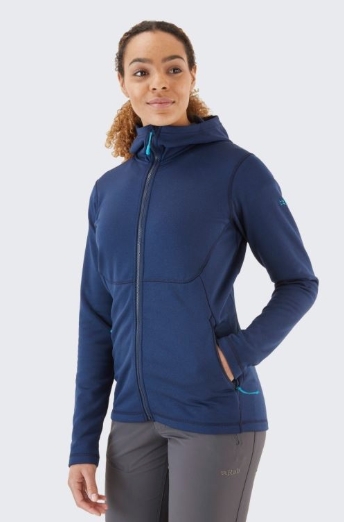
Seeing the design sketches was another eye-opening moment. I noticed how every pocket, zipper, and seam had a reason behind it. It wasn’t decoration—it was problem-solving. One jacket had a hidden interior pocket perfectly sized for a GPS device, reflecting firsthand knowledge of what outdoor adventurers carry and how they interact with their gear. Another prototype had insulation panels arranged to maximize warmth without bulk, a detail that seems small on paper but translates into hours of comfort on a winter hike. It was here I realized that wearing a rab uk product isn’t just about staying warm—it’s about experiencing that warmth in a way that feels intelligent, intuitive, almost caring.
I also spent some time watching the team as they worked. The designers, often with decades of experience in climbing, mountaineering, and exploration, didn’t just draw or stitch—they conversed with the gear. They’d adjust a seam, test a cuff, or debate insulation placement, constantly imagining how it would feel in the real world. It’s rare to see this level of empathy embedded into design: they were creating products with a profound understanding of human vulnerability to cold, wet, and fatigue.
The unreleased pieces were especially revealing. Some jackets featured innovative materials designed to adapt to changing weather, while others experimented with sustainable fabrics without sacrificing performance. Holding one of these prototypes, I could almost sense the story it would tell in the field—the long days, the demanding conditions, and the quiet reassurance of wearing something crafted with thought and intention. It made me appreciate the journey from concept to shelf, and the invisible hours spent perfecting what many would take for granted.
What stayed with me most, however, was the empathy behind the designs. The entire philosophy of Rab seems to be rooted in understanding human experiences in the outdoors—moments of struggle, triumph, discomfort, and awe—and translating them into products that support, protect, and enhance those moments. It’s not flashy, it’s not marketing gimmicks; it’s real, tangible care embedded into gear you rely on.
Walking away from that design space, I felt a newfound respect for the brand. Wearing Rab isn’t just a functional choice—it’s stepping into a story of meticulous thought, of understanding your journey, and of sharing in the human need for warmth, protection, and freedom in the wild. Every zipper, every stitch, every panel is a reflection of this philosophy, quietly ensuring that wherever you go, you’re supported by more than just fabric—you’re supported by intention.