In the sun-drenched streets of Sydney or the laneway bars of Melbourne, a familiar plume of scented vapour is becoming an increasingly common sight. Yet, what appears on the surface to be a simple global trend tells a far more complex story Down Under. Australia’s relationship with vaping is a fascinating tale of contradiction, thriving subcultures, and a market moving in the shadows. This isn’t just about a nicotine hit; it’s about a societal negotiation happening in real-time.
A Regulatory Paradox: Prescription-Only Puffs
To understand the Australian vape scene, one must first grapple with its unique and stringent legal framework. Unlike many Western nations, Australia has taken a hardline, health-centric approach. Since October 2021, purchasing and possessing nicotine e-liquid without a doctor’s prescription has been illegal nationwide. The government’s intention is clear: to prevent a new generation from developing a nicotine addiction while allowing current smokers a potential pathway to quit.
This policy has created a paradox. On one hand, it positions vaping strictly as a therapeutic smoking cessation tool, not a recreational lifestyle product. You can’t legally walk into a typical store and buy nicotine vapes. On the other hand, this has inadvertently fueled a grey market that is both vast and visible. The very law designed to control and limit access has spawned a network of convenience stores, online vendors, and black-market dealers ready to meet the relentless consumer demand. This disconnect between policy and reality is the central drama of the Australian vaping story.
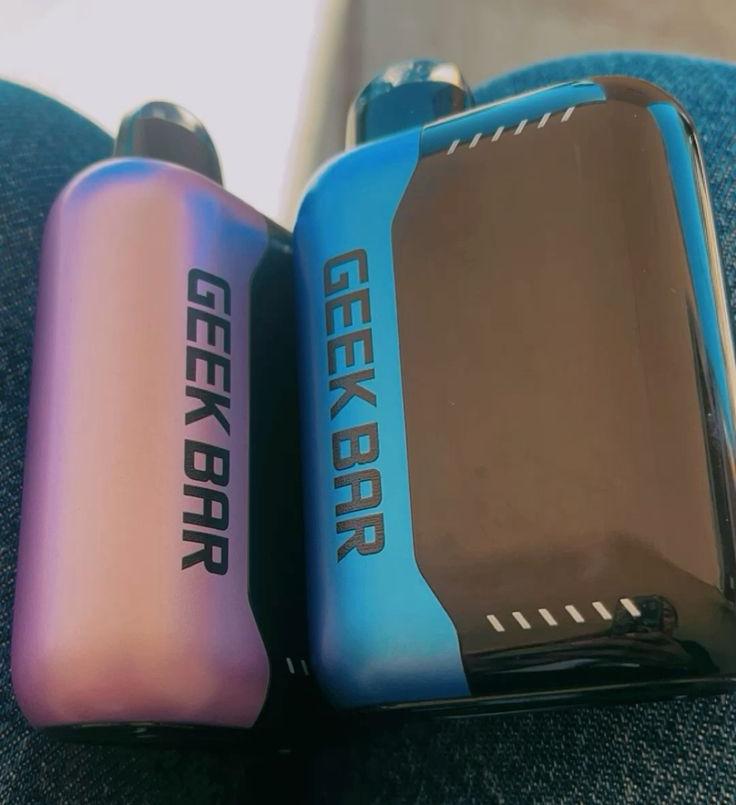
The Subculture That Wouldn’t Be Silenced
Despite the regulatory hurdles, a dedicated vaping community has not only persisted but evolved. Australian vapers are a resourceful bunch. Online forums and social media groups have become digital lifelines, spaces where users share information on everything from navigating the prescription process to discussing the latest hardware reviews and flavour profiles.
This community isn’t just about consumption; it’s about connoisseurship. Discussions delve into the intricacies of coil building, the subtleties of different PG/VG ratios, and the art of DIY e-liquid mixing. For many, vaping transitioned from a smoking alternative to a full-fledged hobby—a way to tinker, customize, and connect with a like-minded tribe. This depth of engagement is what separates a passing trend from a entrenched subculture, and it’s a force that top-down regulation has struggled to suppress.
The Business of Vaping in a Regulated Market
Operating a vape business in Australia requires navigating a labyrinth of challenges. The prescription model severely restricts retail opportunities for nicotine products. However, the market has adapted in ingenious ways.
Many legitimate businesses focus on the sale of nicotine-free e-liquids and hardware, catering to the hobbyist segment and those using zero-nicotine options. The real commercial engine, however, often operates online and within the grey area of the law. This is where supply chains become critical. To meet the underlying demand, a robust infrastructure for importation and distribution is essential. For retailers looking to stock their shelves with hardware and compliant products, finding a reliable partner for wholesale australia is a key step in ensuring a diverse and quality inventory for customers. This behind-the-scenes network is the unseen circulatory system of the entire ecosystem.